Shanghai Atlas

Shanghai · Edition I · 2026

A working atlas of Shanghai's sights, gardens, towers and temples.

Twelve entries on the places visitors actually go in Shanghai — researched on site, with opening hours, ticket prices and how to get there. Plus the practical pieces: arrival from Pudong airport, and the metro rules of the city.

12 entries 10 sights 2 practical Last revised April 2026

Shanghai is large enough that no single guide claims to be complete. This atlas is small on purpose. Twelve entries covering the core of what visitors come to see — the Bund waterfront, the Pudong skyline, the Ming-era gardens, the foreign-concession streets, the major museum, two Buddhist temples, two repurposed industrial spaces, and a Ming-era water town an hour outside the city. Two further entries are practical: getting from Pudong airport into town, and how the metro and ride-hail networks work.

Every entry has been visited at least twice. Hours, fares and ticket prices reflect the most recent on-site check. They drift over time and we revise the atlas when we notice.

Sights 10 entries

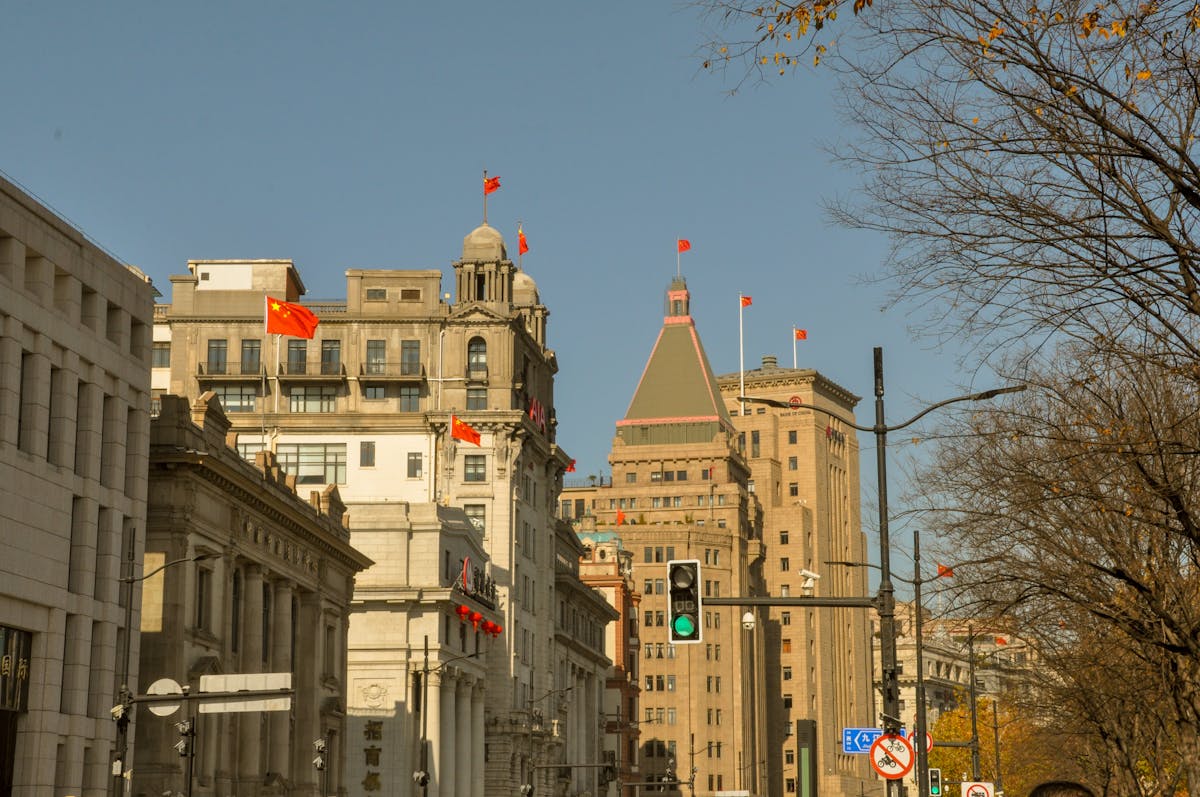
The Bund waterfront in Shanghai with its row of colonial-era buildings facing the Huangpu River

01

The Bund: a waterfront of borrowed empires

A 1.5-kilometre promenade lined with 52 buildings in Beaux-Arts, Gothic, Romanesque, Baroque and Art Deco styles — most built between 1880 and 1937, when this was the international banking row of the Far East.
HuangpuFreeBest at dusk

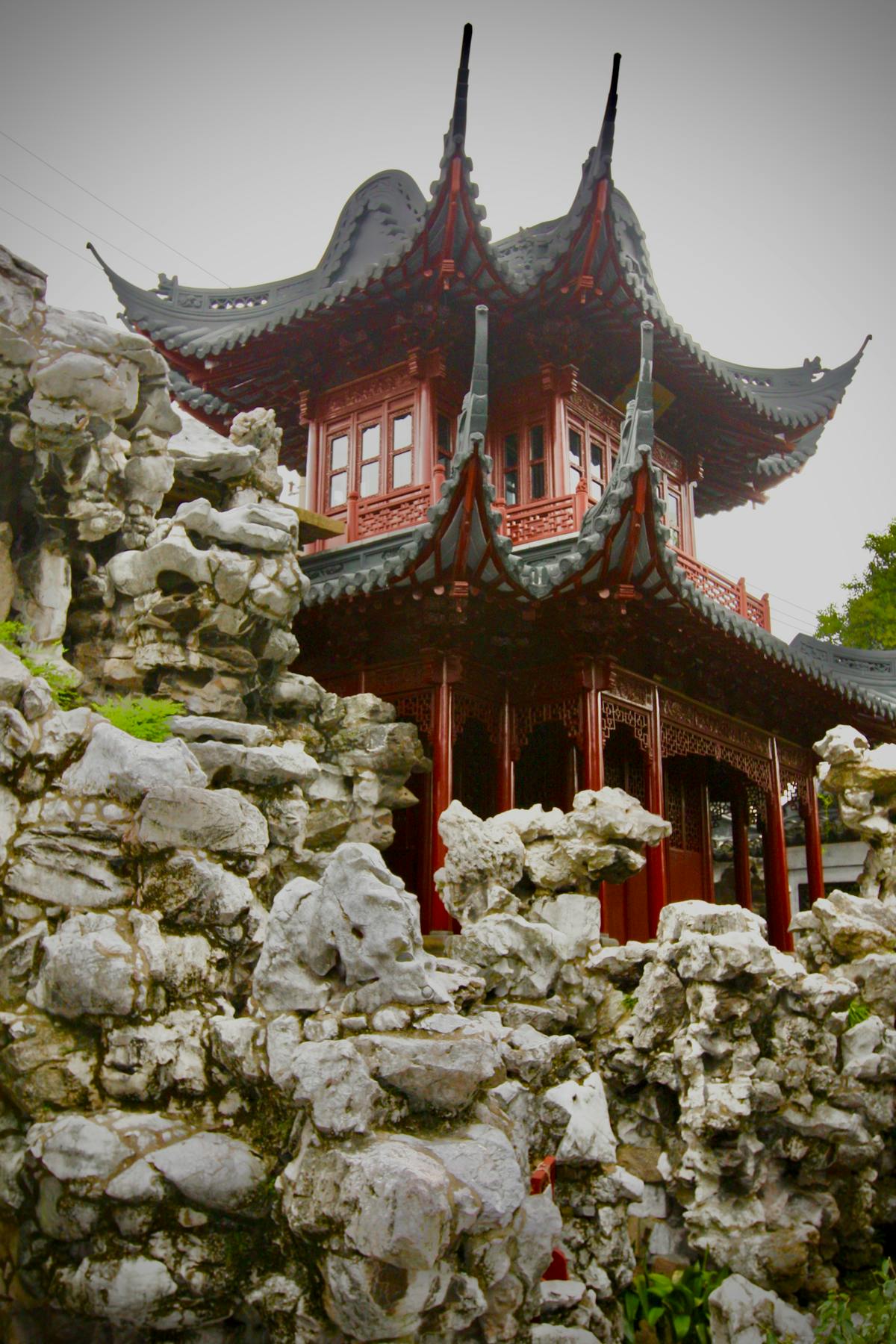
The lattice-walled pavilions and pond of Yu Garden in Shanghai's Old Town

02

Yu Garden: a Ming garden in the old city

Built in 1559 by a Ming-era official as a private retreat. Two hectares of pavilions, rockeries, ponds, dragon-topped walls — and the Exquisite Jade Rock, looted from a sunken imperial barge in the same century.

Old Town¥309:00–17:00

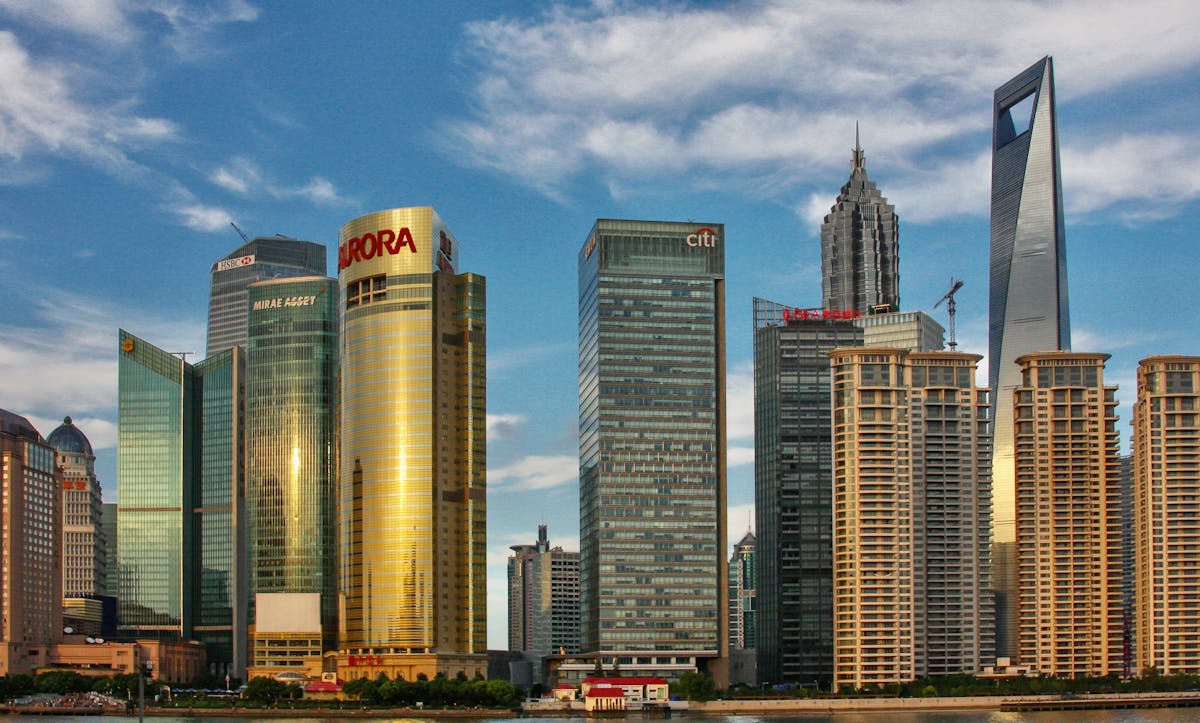
The Pudong skyline of Shanghai showing the Shanghai Tower, World Financial Center and Jin Mao Tower

03

Pudong: three towers on the river

Shanghai Tower (632m), Shanghai World Financial Center (492m), and Jin Mao Tower (421m) — the second-tallest cluster of supertall skyscrapers in the world, all built since 1999 on land that was farmland in 1990.

Lujiazui¥120–180Metro Line 2

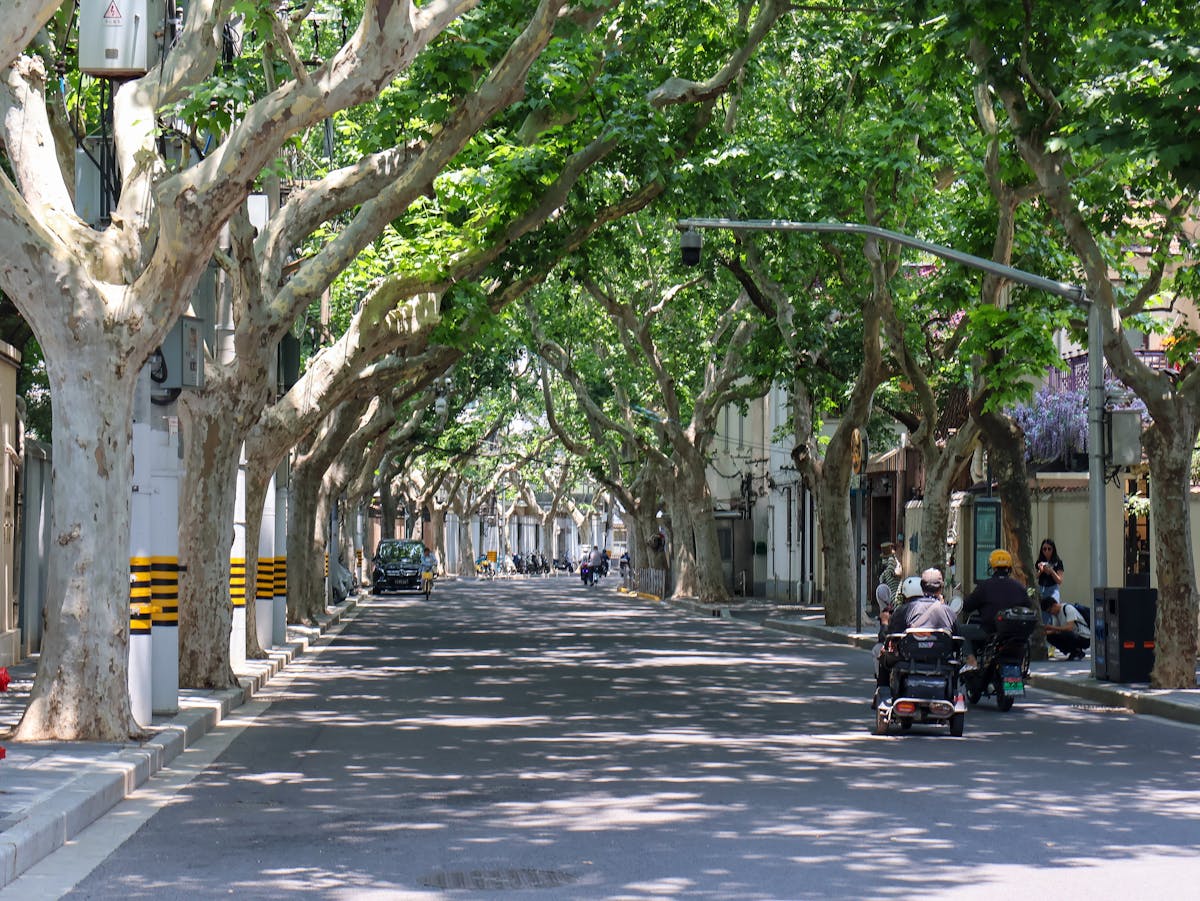
A plane-tree-lined avenue in the Former French Concession of Shanghai with shikumen lane houses

04

The Former French Concession: shikumen and plane trees

From 1849 to 1943, this was foreign territory governed by France. The 8-square-kilometre area still has its plane-tree avenues, art deco mansions, and shikumen lane houses — and now the highest concentration of cafés in Shanghai.

Xuhui & HuangpuWalkingSpring best

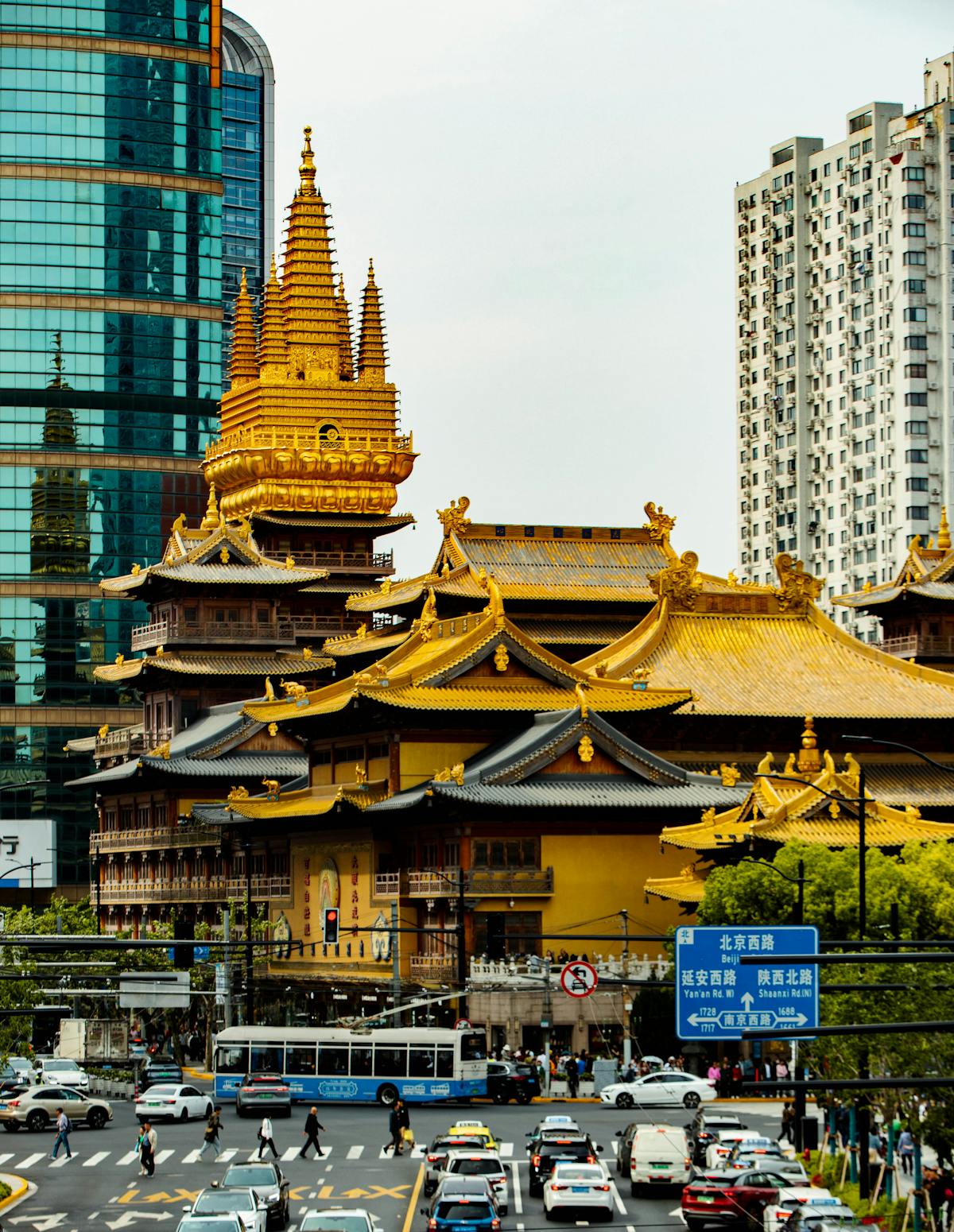
The gilded roofs of Jing'an Temple set against modern skyscrapers in central Shanghai

05

Jing'an Temple: a gold-roofed survivor

A Buddhist temple founded in 247 AD, rebuilt many times — the current gilded structure was completed in 2010. It sits incongruously surrounded by malls and Metro lines on the most expensive stretch of Nanjing West Road.

Jing'an¥507:30–17:00

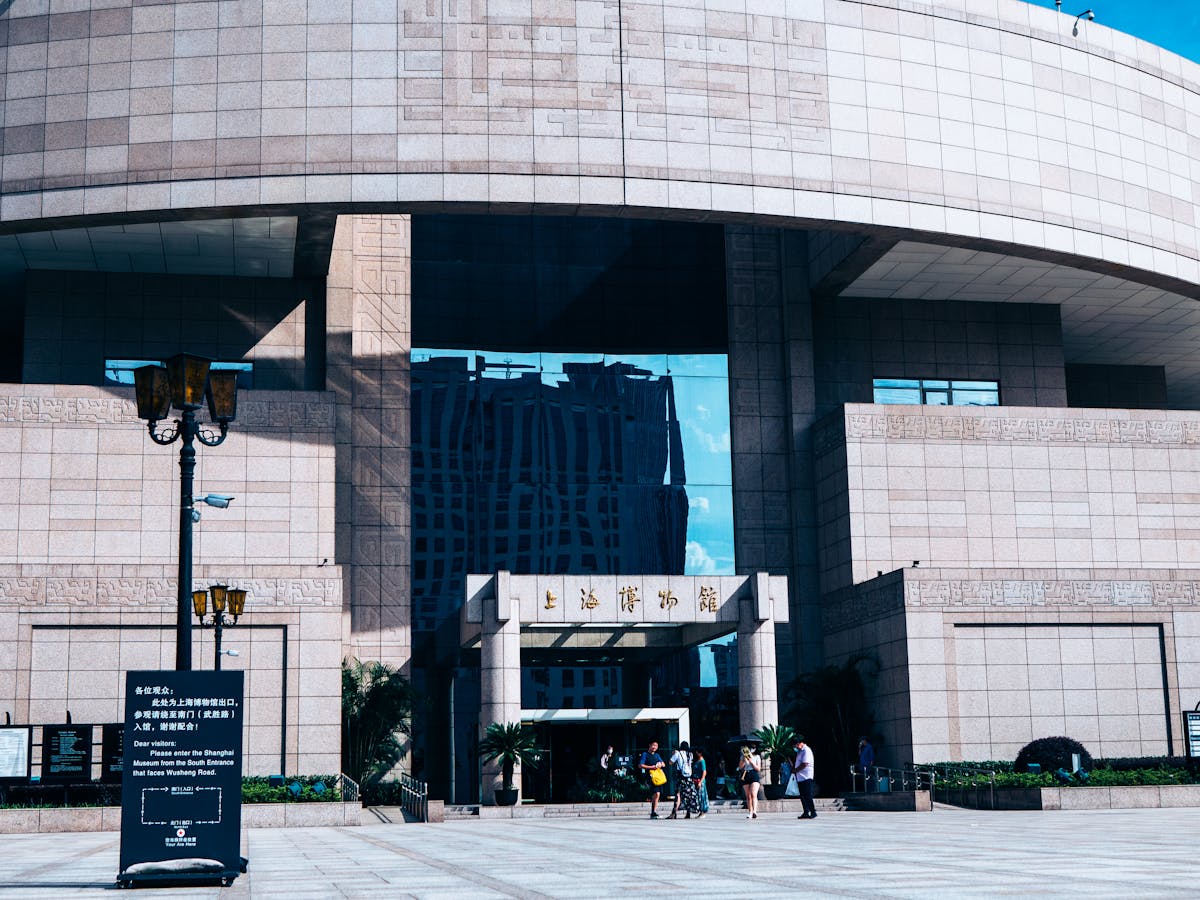
The circular ding-shaped exterior of the Shanghai Museum at People's Square

06

Shanghai Museum: bronzes, ceramics, calligraphy

120,000 objects across four floors — bronzes, ceramics, paintings, jades, calligraphy, seals, coins and minority arts. Free admission since 2008. Online booking is now mandatory and the queue at the door without one is long.

People's SquareFreeClosed Mon

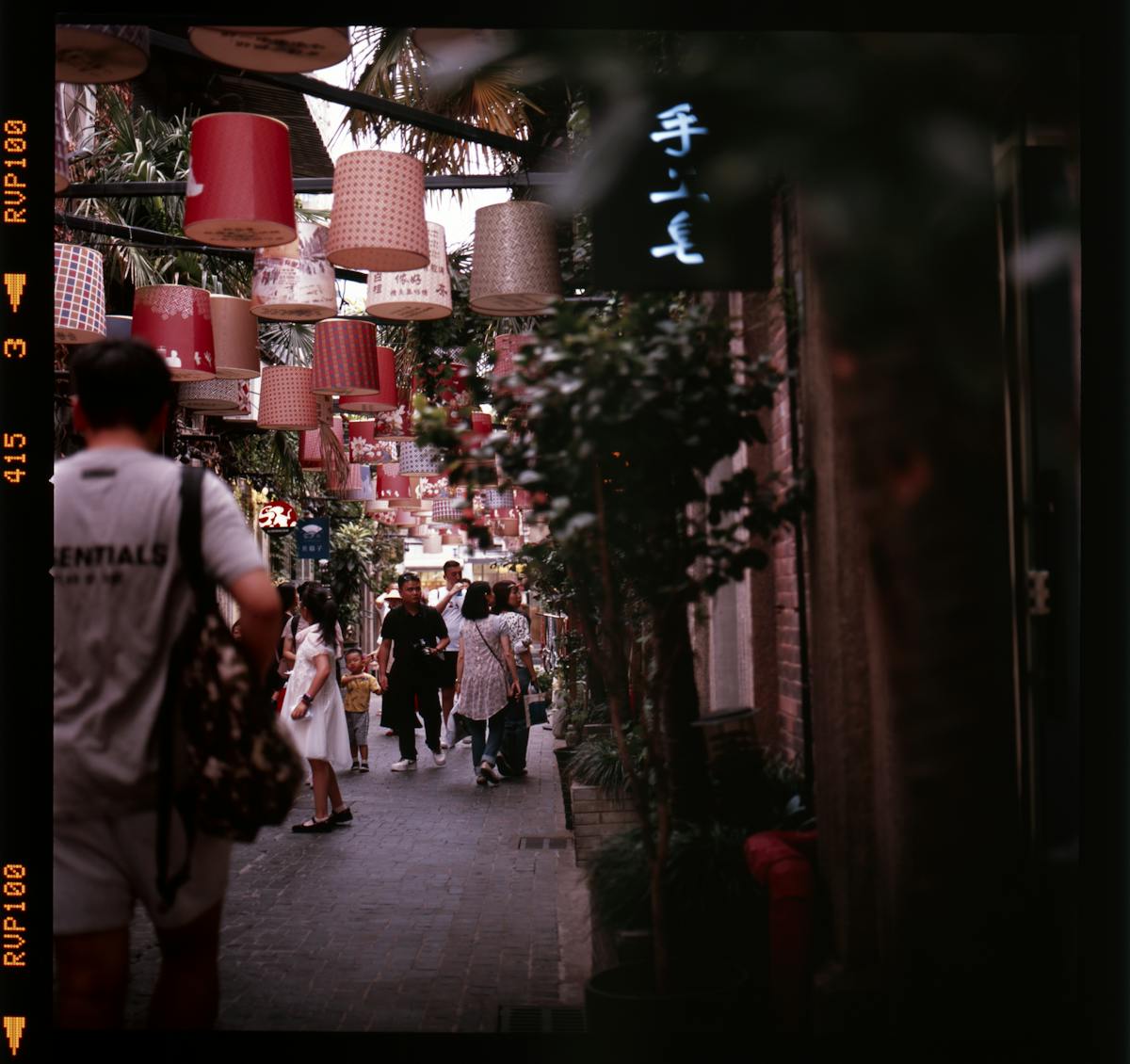
A narrow shikumen lane in Tianzifang lined with small shops and cafes

07

Tianzifang: a labyrinth of lane shops

A maze of restored 1920s shikumen lanes converted into independent shops, cafés and small galleries. Tightly packed, vehicle-free, and the local-to-tourist ratio shifts hour by hour — late morning is the most workable.

Taikang RoadFreeLate morning

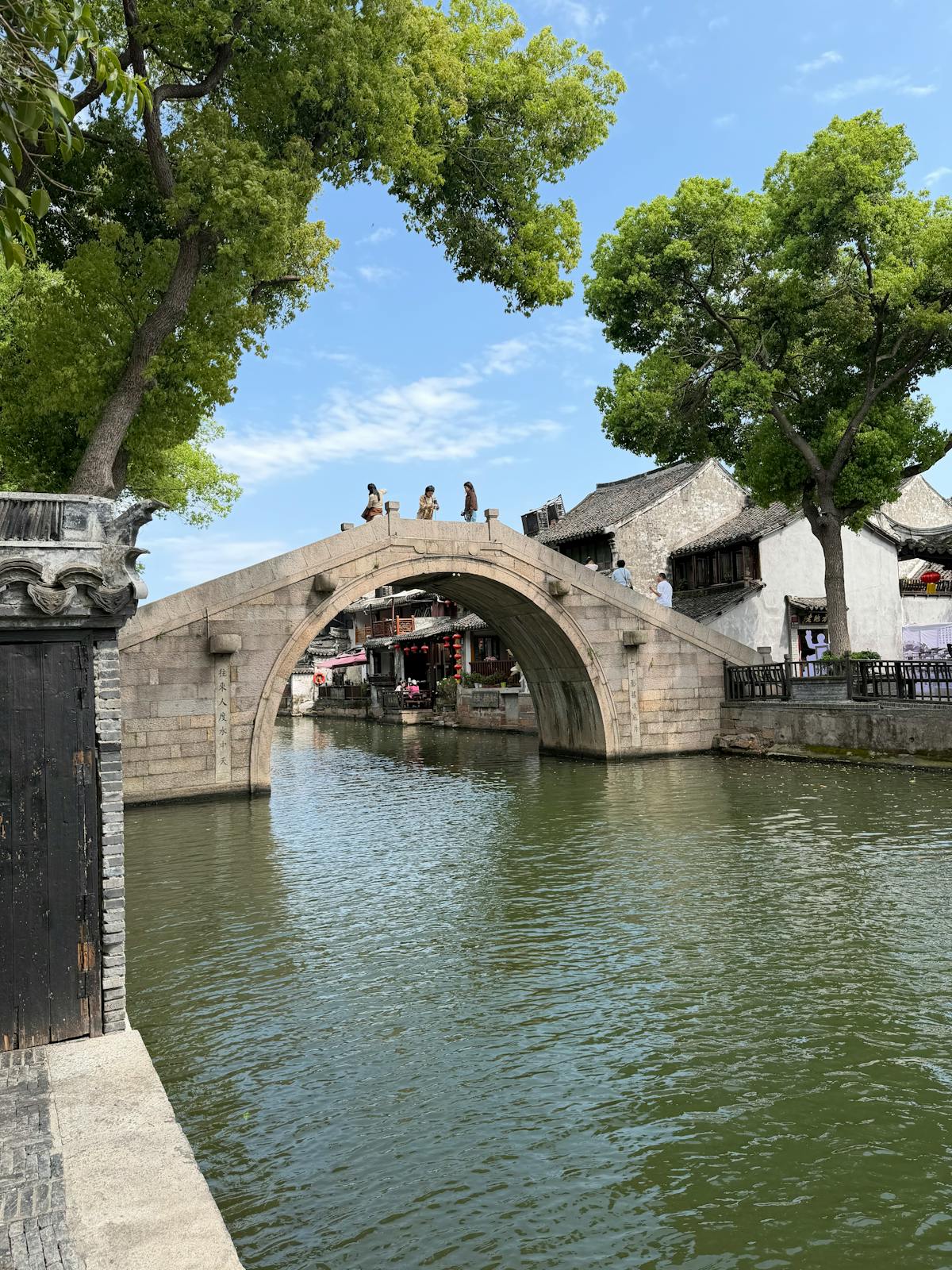
A stone arched bridge over a canal in Zhujiajiao water town with traditional Ming-era buildings

08

Zhujiajiao: a Ming-era water town

A canal town an hour west of central Shanghai, with 36 stone bridges dating from the late Ming and Qing dynasties. The most accessible of the Yangtze Delta water towns — and the only one reachable by city bus.

Qingpu (50 km)¥60 comboDay trip

09

M50: a contemporary art compound on the canal

A former textile mill complex on Suzhou Creek, converted in the early 2000s. Roughly 100 galleries, studios and design firms occupy the site today — Shanghai's largest concentration of contemporary art under one address.

PutuoFreeClosed Mon

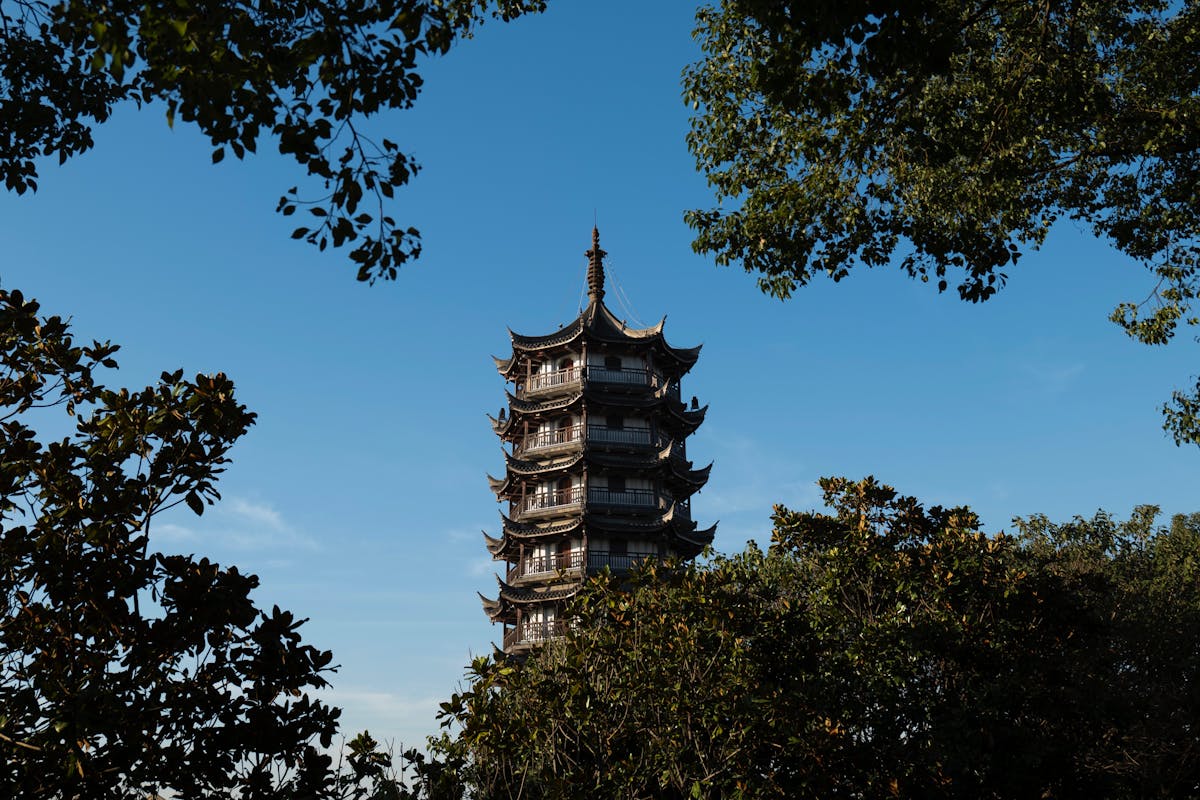
The seven-storey Longhua Pagoda rising above the temple complex in southwest Shanghai

10

Longhua Temple and pagoda: the city's oldest

Founded in 242 AD, the oldest Buddhist temple in Shanghai. The seven-storey octagonal pagoda dates to 977 and is the only major remnant of the Tang-Song temple. The complex is still an active monastery with morning prayers.

Xuhui¥107:00–16:30

Practical 2 entries

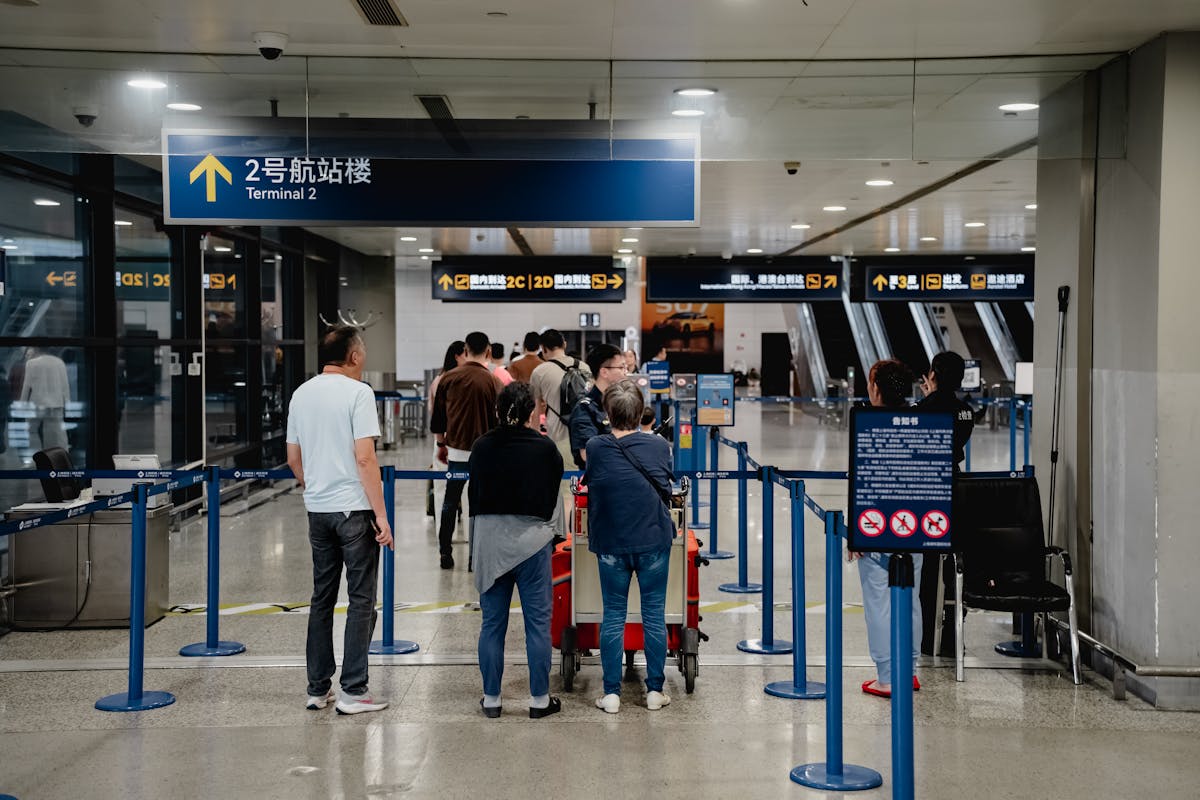
Shanghai Pudong International Airport terminal exterior with passengers and signage

11

Pudong airport transfer: PVG to the city

Pudong International (PVG) sits 30 km east of central Shanghai. Maglev to Longyang Road in 7 minutes, Metro Line 2 in 60–70 minutes, taxi 50–80 minutes depending on traffic — the trade-offs are sharper than they look.

Pudong New AreaMaglev ¥50 / Metro ¥7Taxi ¥160–220

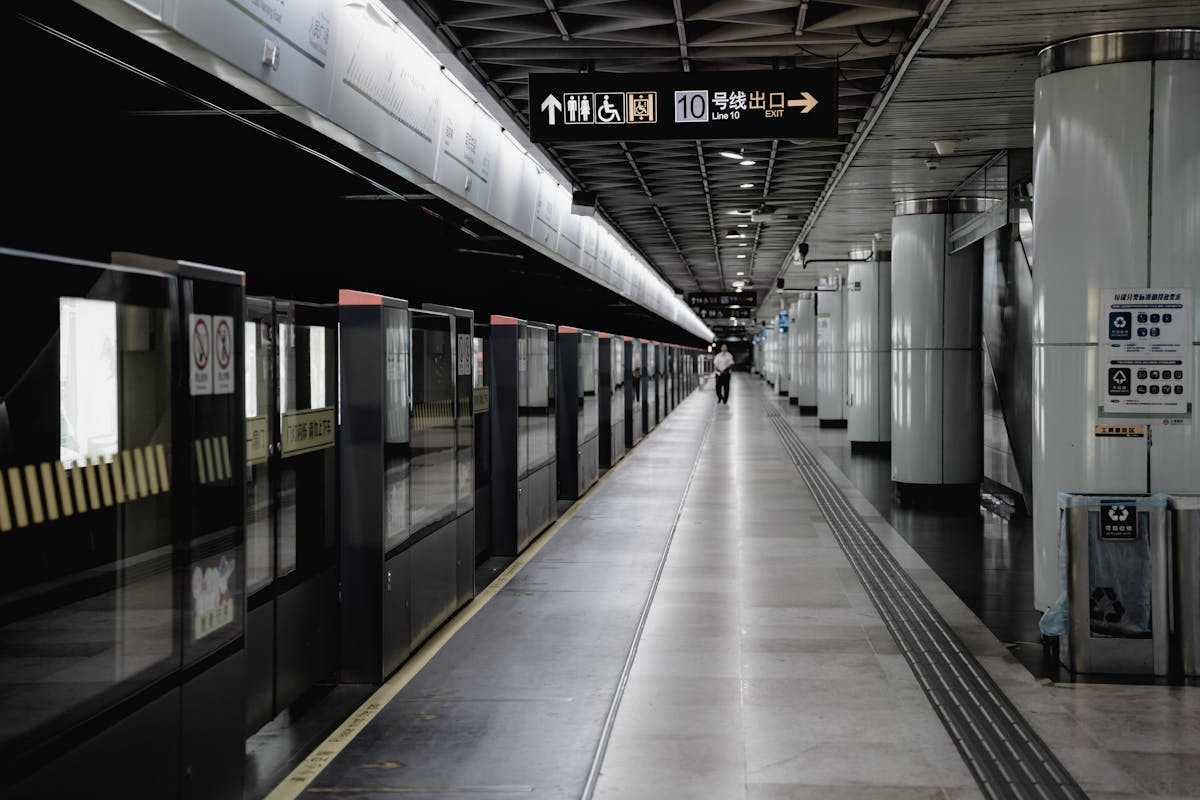
A Shanghai Metro train at a platform with passengers boarding

12

Getting around Shanghai: metro, taxi, DiDi

Twenty metro lines and 800-plus stations, all signed in Chinese and English. Fares from ¥3, day pass ¥18. DiDi the dominant ride-hail; metered taxis are abundant on the street but the app is only useful with a Chinese phone number.

Citywide5:30–22:30Day pass ¥18